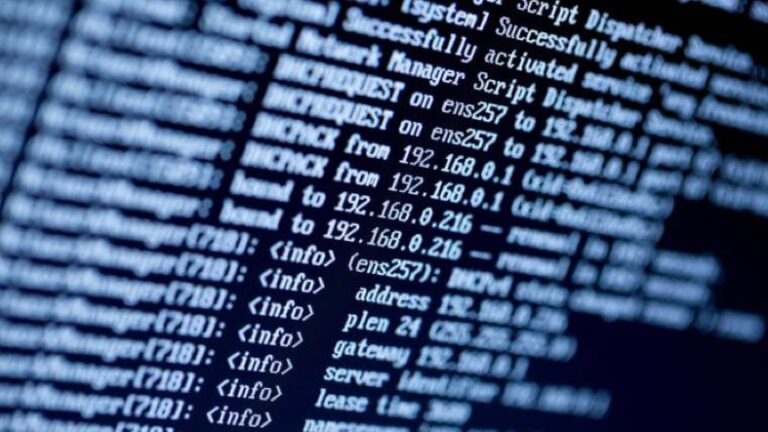
The sequence 111.90.150.284 appears similar to an IPv4 address, which is a numerical label used to identify devices connected to the internet. Every device that communicates through the internet—such as computers, servers, routers, and smartphones—uses an IP address to send and receive information. When people encounter a number like 111.90.150.284, it often raises questions about its purpose, origin, and the type of system associated with it.
IP addresses serve as digital identifiers that allow data to travel between networks. When a user visits a website or sends a message online, the request includes an IP address that helps direct the information to the correct destination. Because of this essential role in internet communication, numbers like 111.90.150.284 may appear in technical documents, server logs, and network monitoring tools.
Sometimes these addresses are searched online because users want to understand whether the activity associated with them is normal, technical, or potentially suspicious.
Understanding the Structure of 111.90.150.284
To understand 111.90.150.284, it is helpful to examine how IP addresses are structured. A typical IPv4 address contains four groups of numbers separated by periods. Each group, known as an octet, usually ranges from 0 to 255. This structure allows billions of unique addresses to exist across global networks.
The format used in 111.90.150.284 follows this general pattern, which is why it appears similar to a standard IPv4 address. However, numbers above 255 are not valid in traditional IPv4 addressing. Because the final segment in 111.90.150.284 exceeds that limit, the sequence may represent a modified identifier, a placeholder, or a reference used in a particular system.
In technical environments, developers sometimes use IP-like numbers for testing, documentation, or demonstration purposes. As a result, identifiers such as 111.90.150.284 might appear in online resources even if they are not active network addresses.
Why People Search for 111.90.150.284
There are several reasons why users might search for 111.90.150.284 on the internet. One common reason involves network analysis. Administrators and developers often review logs that track incoming and outgoing connections to servers. If they encounter unfamiliar numbers, they may research them to determine their meaning or origin.
Another reason is cybersecurity awareness. Security professionals regularly analyze IP addresses to detect unusual activity, unauthorized access attempts, or automated traffic. When a sequence like 111.90.150.284 appears in security alerts or firewall logs, it may prompt further investigation.
Curiosity also plays a role. Many people who are learning about networking or internet technology come across unfamiliar numbers and search for them to better understand how digital systems operate. Because of this curiosity, technical identifiers often become popular search terms even when they are not widely recognized.
The Role of IP Addresses in Internet Communication
Although 111.90.150.284 may not represent a standard IPv4 address, it still illustrates how important numerical identifiers are for internet communication. IP addresses act as the backbone of the global networking system. They allow devices to locate one another and exchange data across large networks.
Whenever a user loads a webpage, streams a video, or sends a file, multiple IP addresses are involved in routing the data from the sender to the receiver. These addresses guide data packets through routers and servers until they reach the correct destination. This process occurs extremely quickly, often within milliseconds.
Identifiers that resemble IP addresses, such as 111.90.150.284, highlight the structured nature of internet communication systems. Even small variations in these numbers can represent entirely different networks or systems.
Network Monitoring and Security Considerations
Network monitoring is another reason why identifiers like 111.90.150.284 may appear in technical environments. Organizations often track network traffic to ensure their systems remain secure and stable. By monitoring connections, administrators can identify unusual patterns and respond to potential threats.
If a sequence similar to 111.90.150.284 appears repeatedly in network reports, professionals may analyze the data to determine whether it represents legitimate traffic or a configuration issue. Monitoring helps organizations protect their systems from cyberattacks, spam activity, and unauthorized access attempts.
While IP addresses can reveal general network information, they typically do not expose detailed personal data about the users behind them. Instead, they primarily help systems manage connections and track communication between devices.
The Evolution of Internet Addressing Systems
The traditional IPv4 system, which includes addresses similar in format to 111.90.150.284, has been used for decades. However, as the number of internet-connected devices continues to grow, the available pool of IPv4 addresses has become limited. To address this challenge, the newer IPv6 system was developed.
IPv6 uses a much longer format that allows for a significantly larger number of unique addresses. Despite this transition, IPv4-style numbers remain widely used in many networks and technical documents. As a result, identifiers resembling 111.90.150.284 may continue to appear in discussions about networking and internet infrastructure.
About the Author